
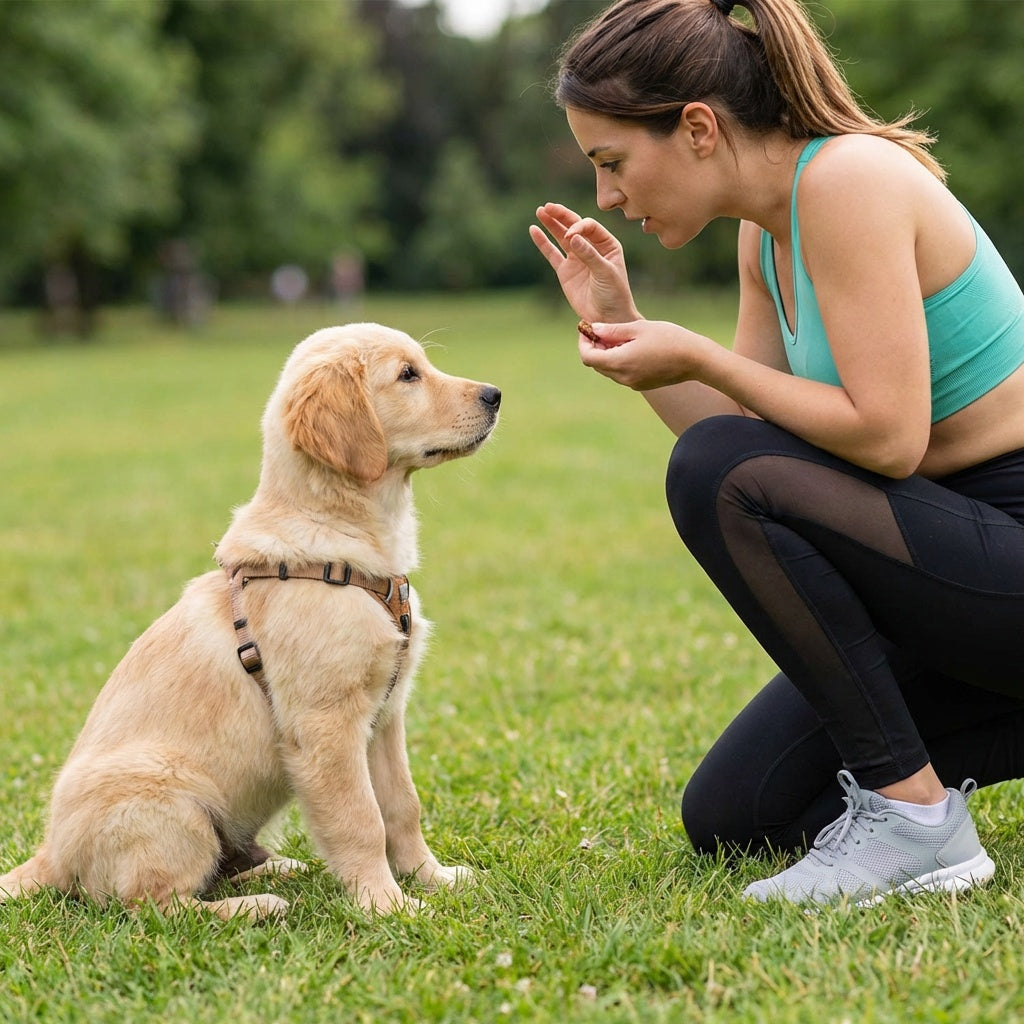
Troubleshooting guide
If something stalls: simplify the step, increase reward value, shorten sessions, and rebuild success. Track progress and keep everyone using the same cues. For dangerous behavior (aggression, severe separation anxiety), consult a certified behaviorist or vet.
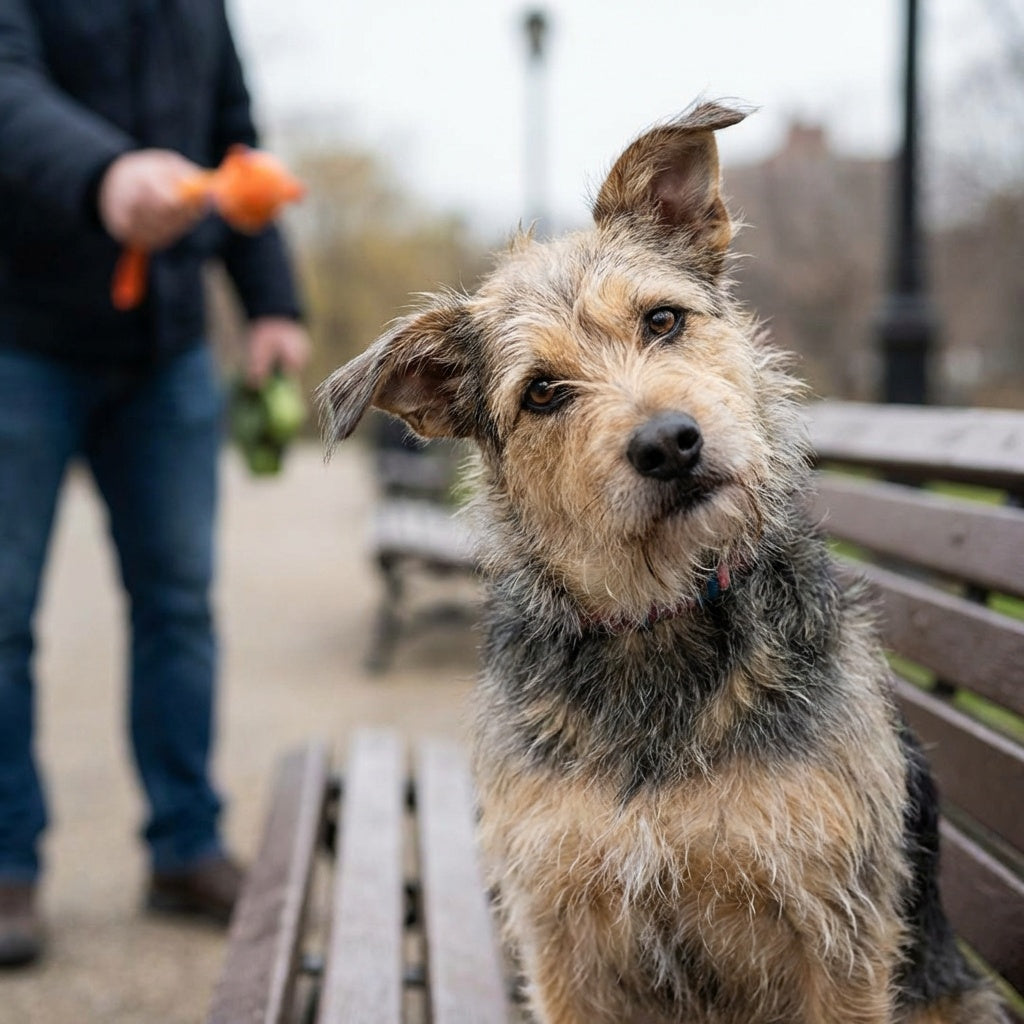
Dog won’t focus / won’t look on name
Common causes: low motivation, too many distractions, long sessions.
Step-by-step fix:
- Move to a quiet area.
- Use very high‑value treats (soft, tiny).
- Do 5–8 rapid name→look reps—mark and reward every success.
- Keep sessions 3–5 minutes until focus improves.
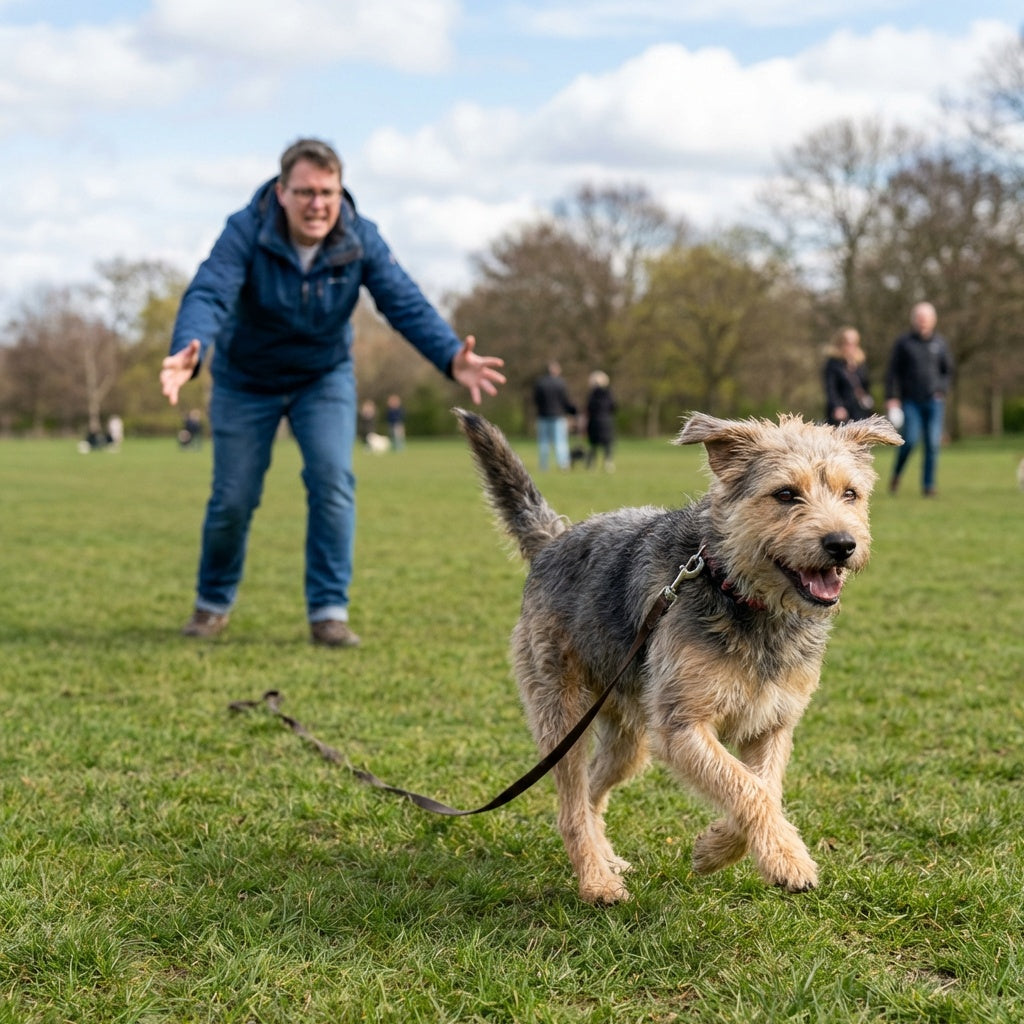
Recall fails (doesn’t come or runs away)
Common causes: coming not rewarding, punished after coming, exciting distraction.
Step-by-step fix:
- Stop any punishment associated with recall.
- Return to short recalls on leash/long line (3–6 ft).
- Reward every success lavishly (treat + praise/play).
- Gradually increase distance/distraction only after repeated success.
- Add random play rewards so coming is fun.
- never call to punish; always make coming positive.
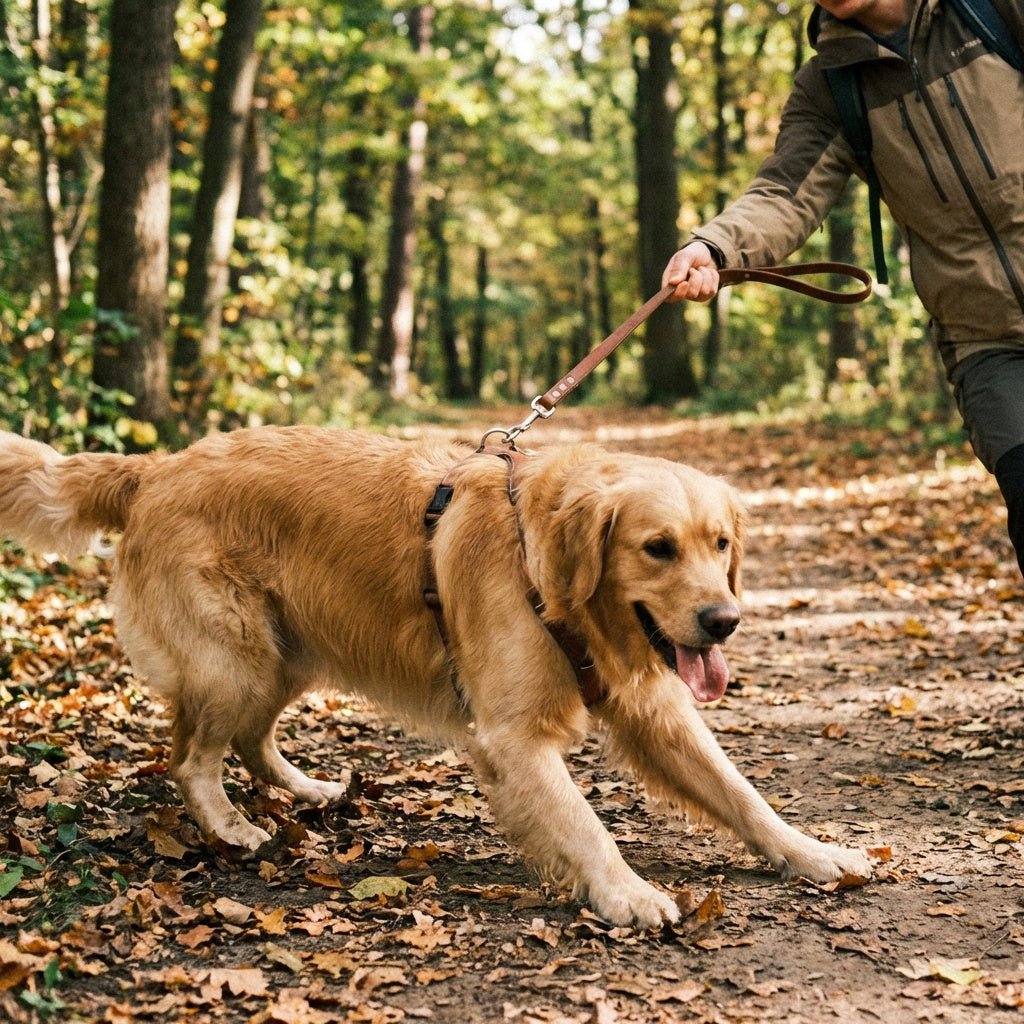
Pulling on leash persists
Common causes: pulling reinforced by forward motion; inconsistent corrections.
Step-by-step fix:
- Stop walking immediately when the leash tightens.
- Wait or back up until the leash is slack. Mark + reward slack, then resume.
- Use direction changes to teach attention.
- Consider a front‑clip harness during training for better steering.
Tip: consistency is essential—every handler must follow the same rule.
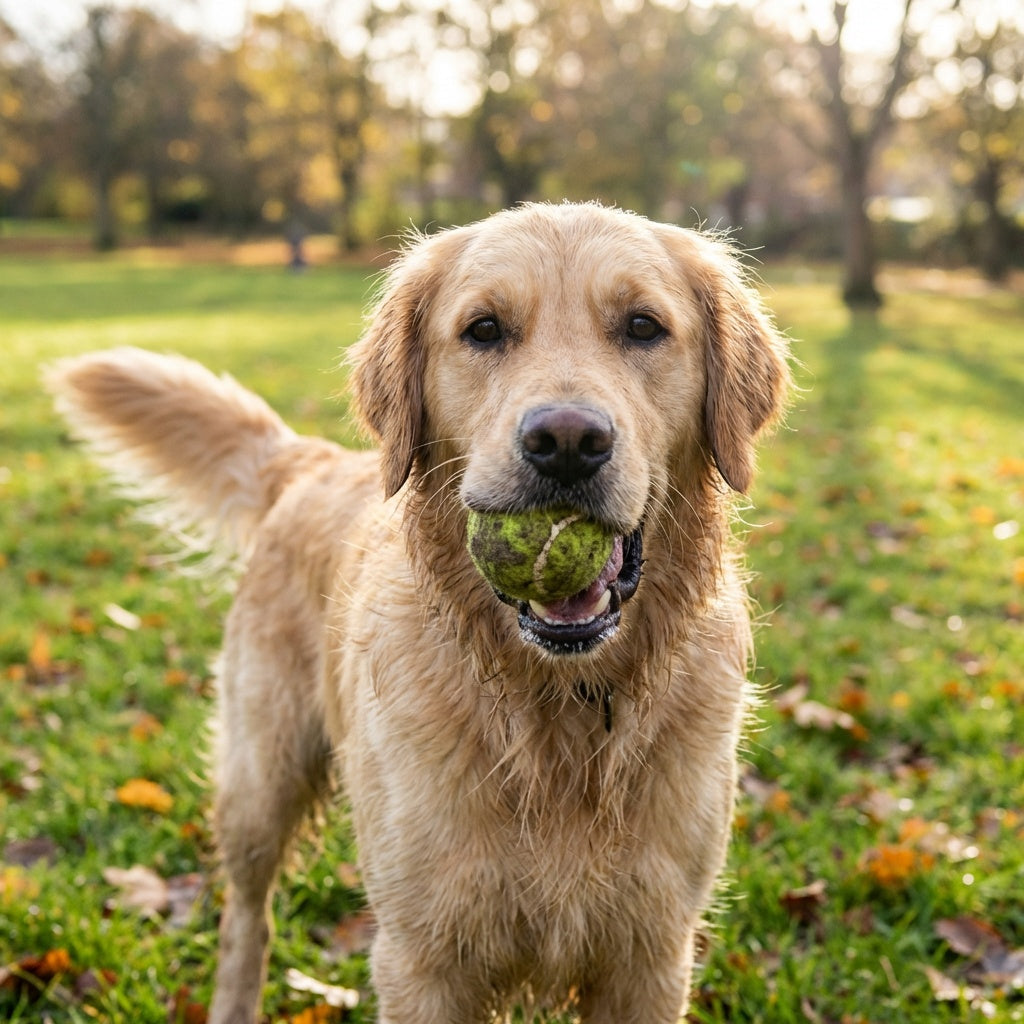
Dog won’t drop or holds objects possessively
Common causes: item is very valued; past grabbing reinforced behavior.
Step-by-step fix:
- Use trade technique — offer a higher‑value treat and say “Drop it.”
- Mark and reward the release immediately; sometimes return the toy after the trade to make exchanges rewarding.
- Practice frequently with low‑value items first, then raise difficulty.
Safety: If resource guarding escalates (growling/snapping), stop and consult a certified behaviorist.
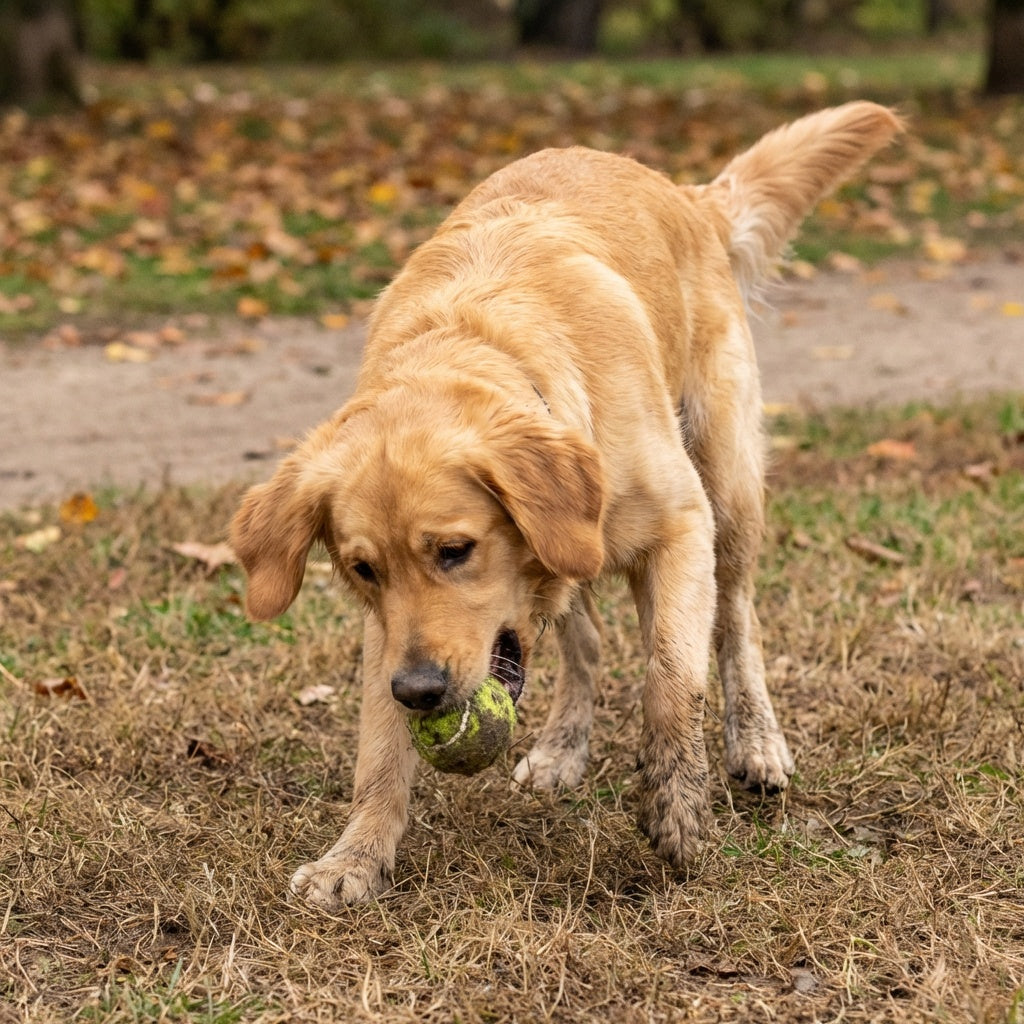
Leave it is unreliable
Common causes: criteria increased too fast; item more tempting than reward.
Step-by-step fix:
- Return to covered-treat or hand‑leave exercises (hand closed with treat).
- Reward the dog for looking away or offering an alternative behavior.
- Progress slowly to floor items and increase time before rewarding.
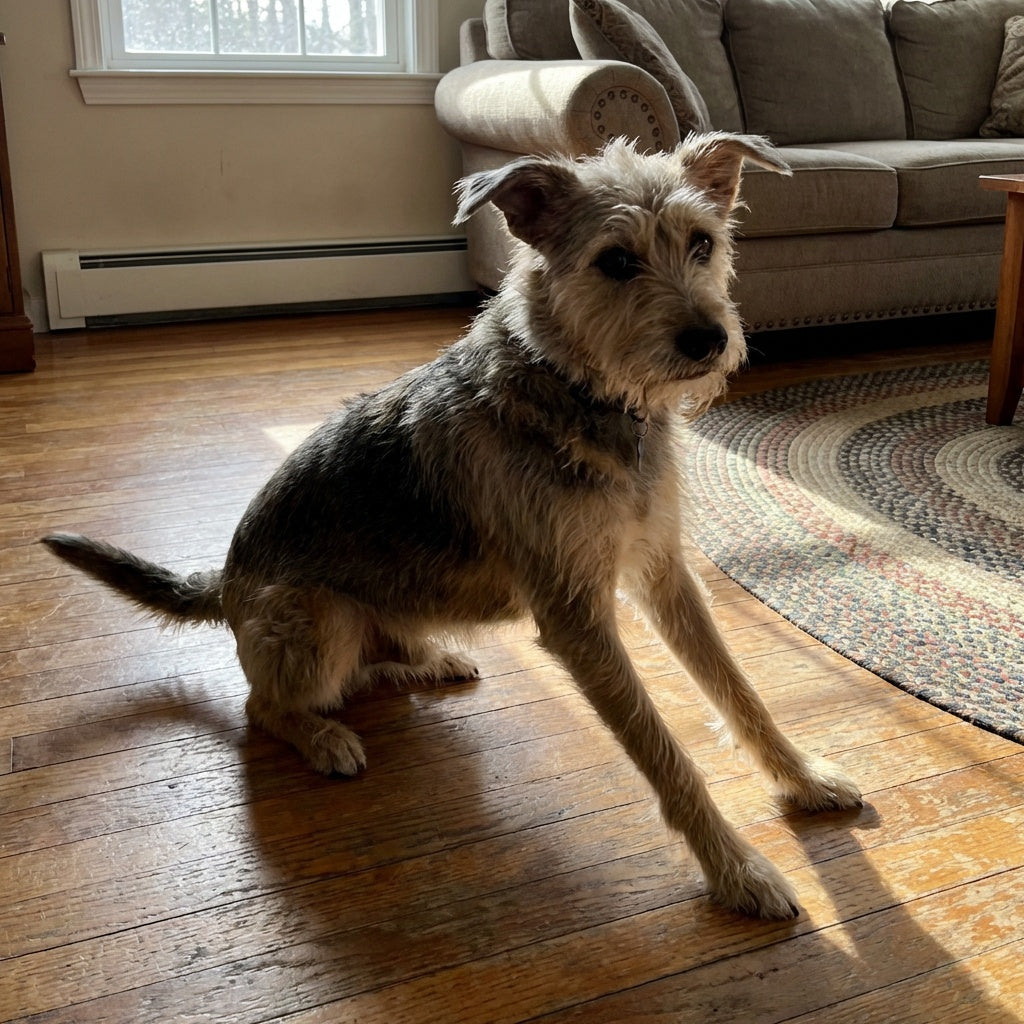
Stay breaks quickly or at distance
Common causes: too much too soon; unclear release cue.
Step-by-step fix:
- Reduce time/distance to a reliable level. Reward every successful hold.
- Use a clear release word (“Okay!”) and reward the calm response.
- Gradually increase duration/distance and add mild distractions.
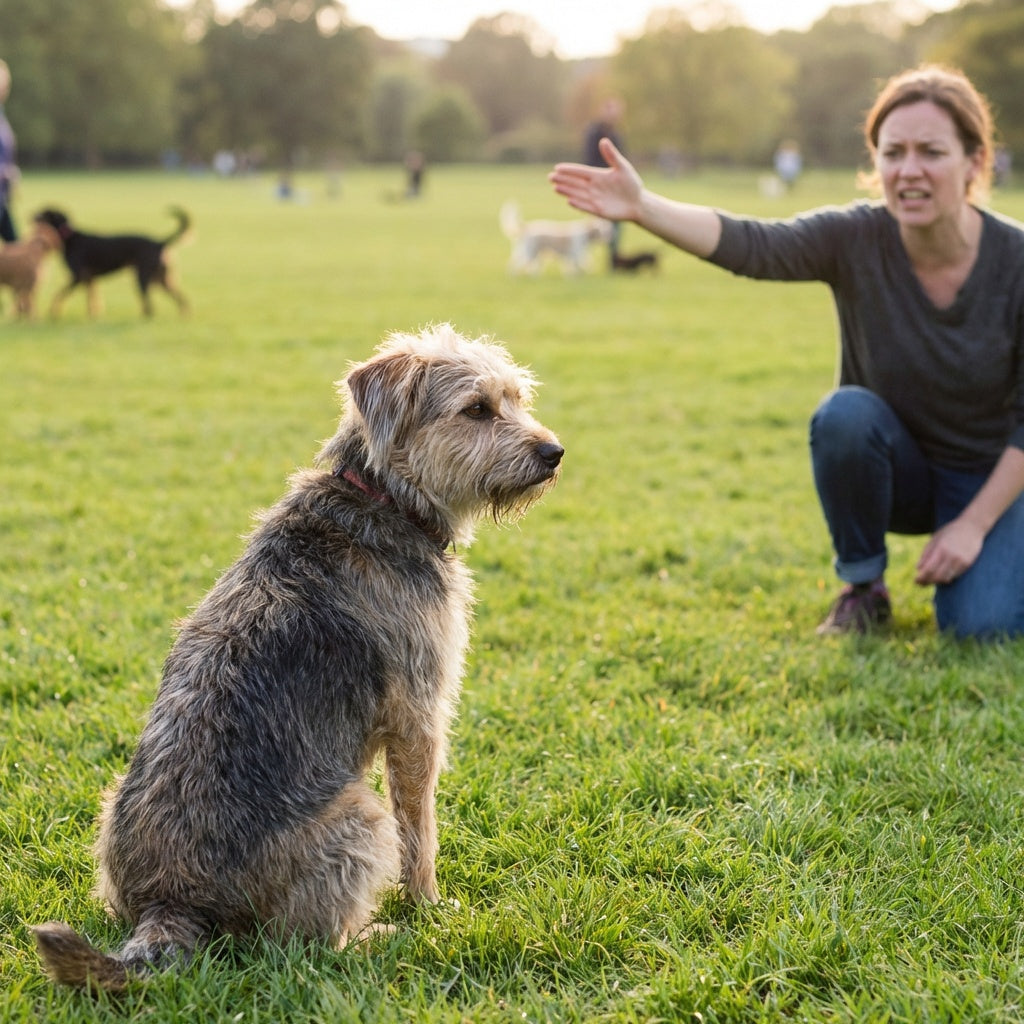
Regression of previously learned behavior
Common causes: inconsistent practice, different handlers, too fast progression.
Step-by-step fix:
- Lower criteria to the last reliable level.
- Increase reinforcement frequency (treats/praise) temporarily.
- Have all household members practice the same cues exactly the same way.
- Keep short, frequent sessions to rebuild consistency.
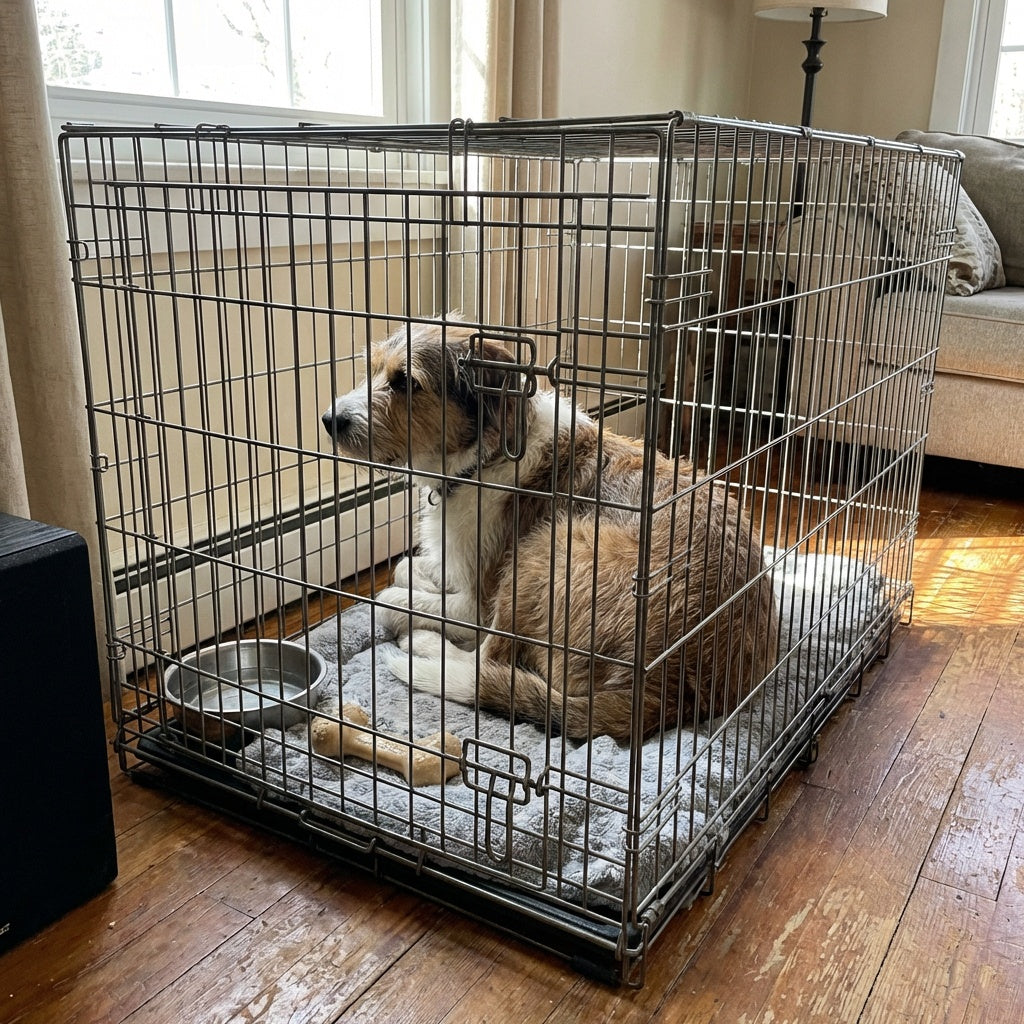
Crate anxiety or extreme alone distress
Common causes: fast progression, negative associations.
Step-by-step fix:
- Return to free entry + treat deliveries into the crate (door open).
- Build tolerance slowly: short closed‑door periods with a safe stuffed toy/chew, then open and reward calm exit.
- Never use crate as punishment.
- For severe separation anxiety, consult a behaviorist and vet.
Patience, precise timing, and consistent household practice are the most powerful troubleshooting tools. Small, measurable steps and frequent wins will rebuild momentum quickly. If in doubt about safety or aggression, get expert help.